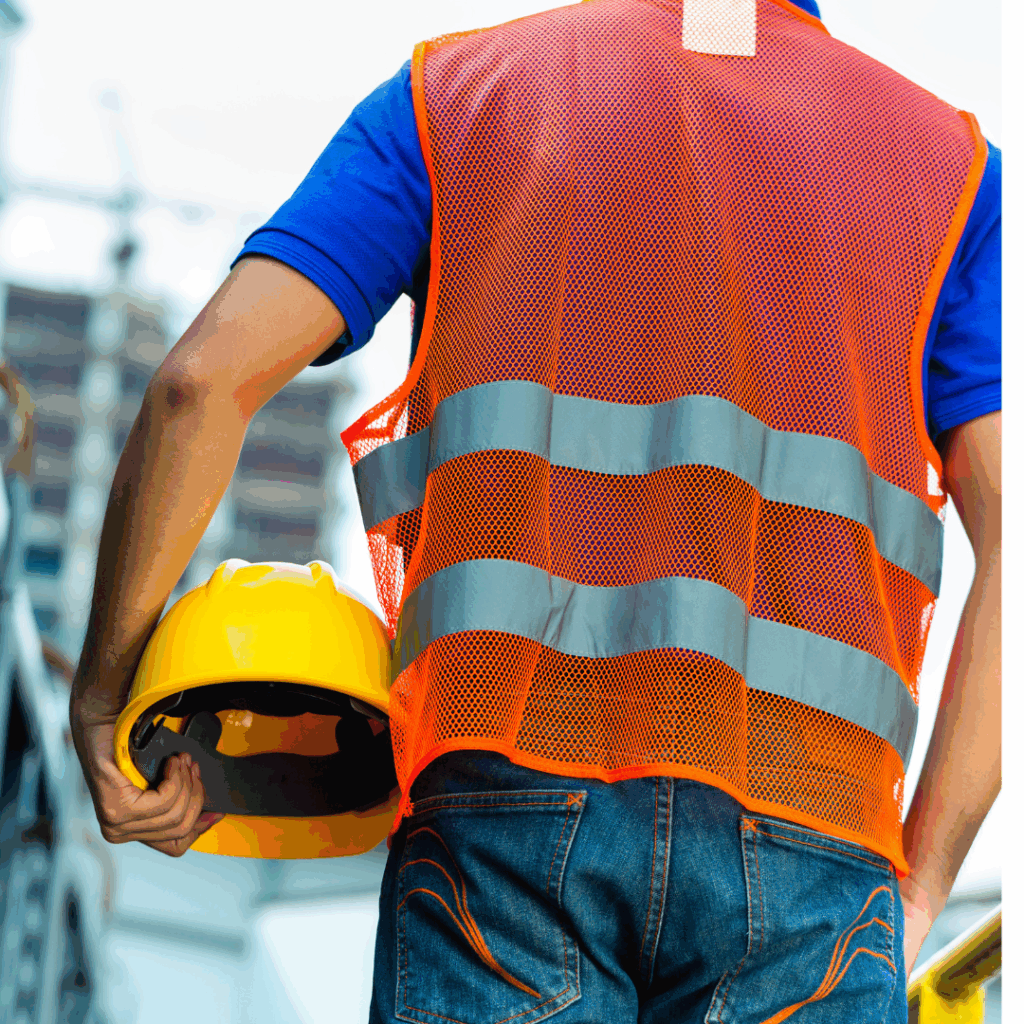
You may take legal action after you have been involved in an accident at work or injured because of your employer’s actions or negligence.*
Work should be a place where you feel safe, supported, and productive. Yet, the reality is that accidents happen, often disrupting lives in ways that go far beyond a simple injury. Whether you work on a busy construction site, in a bustling warehouse, or a quiet office, the risk of injury is, unfortunately, never entirely absent.
Understanding the root causes of these incidents isn’t just about legal liability; it’s about awareness and prevention. While employers have a legal duty to protect their staff, understanding where risks lie empowers everyone to foster a safer environment. However, when negligence does occur, knowing your rights is the first step toward recovery.
In this guide, we explore the most frequent causes of workplace accidents in Ireland, the responsibilities of employers, and what specific injuries might mean for your future.
Asbestos Exposure and Long-Term Illness
Although it is now illegal to use in construction, asbestos remains a silent legacy in many older buildings. Asbestosis is a chronic lung disease caused solely by inhaling asbestos fibres. Crucially, symptoms often do not appear until decades after exposure—sometimes up to 35 years later.
If you have developed an asbestos-related condition, such as mesothelioma or lung cancer, and can prove that your exposure occurred due to an employer’s negligence in the past, you may be entitled to seek compensation. It is a complex area of law, but one that acknowledges the delayed and devastating nature of these illnesses.
The Hidden Impact of Acoustic Shock
Not all workplace injuries leave a visible mark. Acoustic shock is a perfect example, frequently affecting those in call centres or telecommunications. It occurs following exposure to a sudden, high-pitched, or high-volume sound—like feedback or a technical fault.
The consequences range from tinnitus (ringing in the ears) to painful sensitivity to sound and potential hearing loss. Beyond the physical symptoms, the emotional toll can be significant. If your working environment has exposed you to dangerous noise levels without protection, you may have valid grounds for a claim.
Machinery and Equipment Accidents
Heavy machinery is essential for many industries, but it poses significant risks when not maintained or used correctly.
Angle Grinders and Welding
Angle grinders are powerful tools used in welding and farming. Accidents here are often linked to a lack of training or inadequate Personal Protective Equipment (PPE). Similarly, welding carries risks of burns and illness from toxic fumes. Employers must provide proper masks, gloves, and ventilation to mitigate these dangers.
Cherry Pickers and Cranes
Working at heights amplifies the risk of injury. Accidents involving cherry pickers or cranes often result from mechanical defects, high winds, or miscommunication. Because these accidents can be catastrophic, strict safety risk assessments are legally required before any lifting operation begins.
Forklifts and Diggers
Vehicles like forklifts and diggers are common sights in warehouses and construction zones. Accidents frequently stem from collisions, unsafe speeds, or falling loads. Employers must ensure traffic routes are marked and that every operator holds the correct training permits.
Slips, Trips, and Falls
These remain among the most common causes of injury across all sectors.
Inadequate Lighting
A simple blown bulb can lead to a serious fall. Poorly lit stairwells or walkways make hazards difficult to spot. Property owners and employers have a duty to ensure all areas are well-lit to prevent such incidents.
Broken Handrails
We rely on handrails for stability. When a handrail gives way, the resulting fall can be severe because the user’s weight was committed to the support. This is a clear failure of the duty to maintain a safe facility.
Working from Heights
Falls from ladders, roofs, or scaffolding can result in life-changing injuries, from broken bones to paralysis. Employers must ensure that appropriate equipment is used—for example, avoiding the use of a ladder when a scaffold tower would be safer—and that employees are not overreaching or working in unsafe weather conditions.
Chemical and Gas Inhalation
Invisible hazards are often the most dangerous. Inhaling toxic gases like chlorine, ammonia, or carbon dioxide can cause immediate damage to the respiratory system, nausea, or fainting.
These accidents typically happen due to:
- A failure to supply adequate PPE (such as respirators).
- Spillage of toxic substances.
- Leaks from damaged equipment.
Compensation in these cases often covers both the physical injury and the financial impact of medical treatments and lost earnings.
Manual Handling and Musculoskeletal Injuries
You don’t need to be operating heavy machinery to suffer a painful injury. Manual handling claims arise when employees hurt their back, neck, or shoulders lifting heavy objects without proper training.
If your role requires lifting, your employer is legally obligated to provide manual handling training. If they fail to do so, or if they require you to lift loads that are unsafe, they may be liable for the resulting musculoskeletal damage.
The Role of Personal Protective Equipment (PPE)
PPE is the last line of defence against injury. Whether it’s steel-toe cap boots on a building site or protective eyewear in a lab, this equipment is vital.
If you suffer an injury—such as a crushed foot or an eye injury—because your employer failed to provide the necessary PPE, or provided defective equipment, this is a significant breach of their duty of care. However, it is equally important that employees wear the equipment provided to them; failing to do so can affect the outcome of a claim.
Understanding Liability: A Two-Way Street
In almost all personal injury cases, establishing liability is key.
Your Employer’s Duty: Under the Safety, Health and Welfare at Work Act 2005, employers must conduct risk assessments, provide training, maintain equipment, and ensure a safe working environment.
Your Responsibility: Employees also have a duty of care. You must follow safety procedures, use provided PPE, and not engage in negligent behaviour. If an accident is caused by your own recklessness, it may invalidate a claim.
Moving Forward After an Accident
Recovering from a workplace accident is rarely just about healing physical wounds; it involves navigating lost income, medical bills, and emotional stress. If you believe your injury was caused by negligence, seeking legal advice can provide clarity on your options.
A specialised solicitor can help you assess whether your employer failed in their duty of care, guide you through the Personal Injury Resolution Board (PIRB) process, and help you secure the support you need to move forward with your life.
This article is written by Sean Fitzgerald, an experienced solicitor dedicated to providing expert guidance and compassionate support to individuals navigating workplace injury claims.