The publication of the Crowe Report into Roads Policing operations has sent shockwaves through Ireland’s road safety community. Commissioned by An Garda Síochána in February 2024, this independent review exposes systemic failures that help explain why Irish roads have become increasingly dangerous places for all users. Its “damning” and “heartbreaking” findings have resonated deeply with victims’ families and campaigners, who have long advocated for reform and recognition.
Between 2018 and 2023, road traffic fatalities increased significantly across Ireland. The report highlights that this tragic trend is not merely coincidental, but the result of entrenched problems within our road policing system. Susan Gray of the road safety group Parc, whose husband was killed in a road collision, described the report as
“heartbreaking reading for bereaved families like us who have suffered the loss of a loved one in a road-traffic collision.”
For those who have lost loved ones or who are living with life-changing injuries, these findings provide both painful validation and a call to action.
Commending Whistleblowers and Confronting Failures
At the heart of the report’s initiation was a Garda whistleblower, an act that road safety advocates have commended as both courageous and necessary. Gray praised the individual for coming forward, stating,
“the Garda whistleblower whose information led to commissioning of the review must be praised.”
By giving voice to the real experiences of families and campaigners, the Crowe Report amplifies the urgent need for improvements in road safety practices and policing accountability.
The Scale of the Staffing Crisis
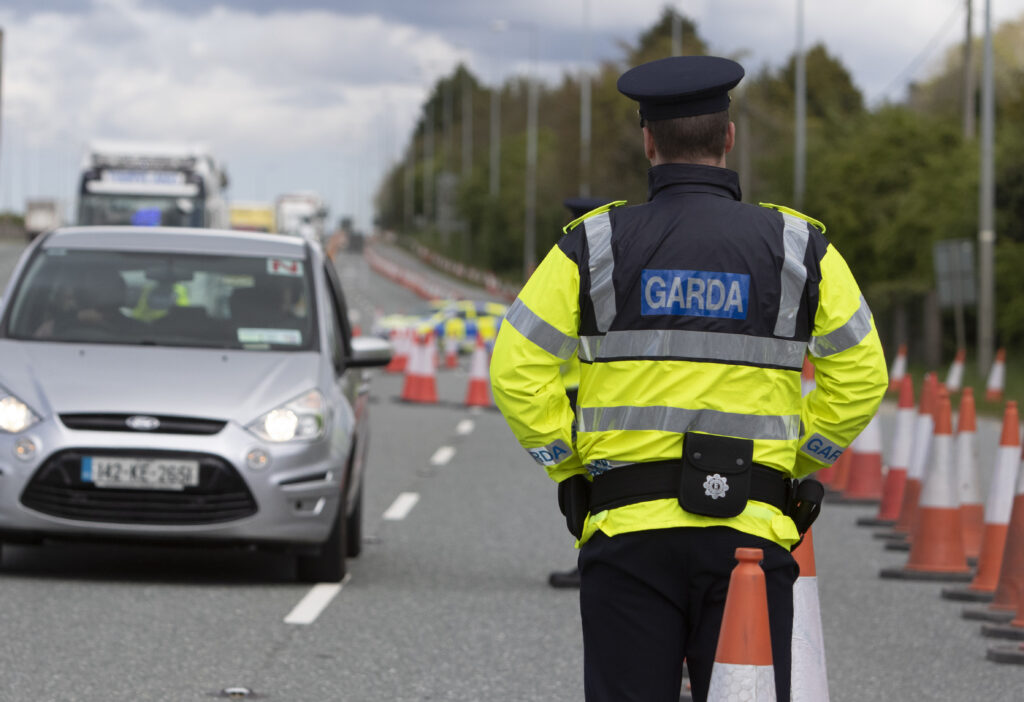
One of the most significant concerns raised involves staffing levels within Roads Policing Units (RPUs). As of October 2024, only 623 Gardaí serve in RPUs—a dramatic 40% reduction from the 1,046 officers in 2009. The impact of these reductions is felt on the roads every day, as fewer officers mean a diminished capacity to deter and address dangerous behaviours.
Media reports and data show the continuation of this trend: from 804 officers assigned to the then Garda Traffic Corps in 2013, numbers had already dropped to 664 by mid-2023. The result is an environment where reckless actions often go unchecked, putting all road users at greater risk and amplifying the suffering of those involved in serious accidents.
Culture and Supervision: A Crisis of Accountability
Perhaps most alarming are findings related to productivity and culture within the RPUs. The Crowe team observed a “three-tier system”: the few highly dedicated members, the majority who perform their duties adequately, and a minority who do “the bare minimum (or less).”
There are documented cases of some Gardaí
“deliberately ignoring offences and spending their shift with a low level of productivity.”
As Leo Lieghio of the Irish Road Victims Association noted, it is
“disappointing in that small number of gardai that don’t think people’s lives are worth doing their jobs for; they think it’s not important enough.”
This selective enforcement is more than a managerial issue—it is a fundamental breach of the duty of care owed to the public, and it directly impacts families who have lost loved ones or suffered injury because dangerous drivers were not stopped.
The lack of effective performance management within An Garda Síochána is a core systemic failing called out in the report. The Policing and Community Safety Authority emphasised,
“For an organisation of approximately 18,000 to have no means of effectively managing poor performance is shocking and needs immediate action.”
Supervisors often feel powerless to address known underperformance, creating a culture where avoidance is easier than accountability. The absence of
“any effective performance management”
means unacceptable behaviours can persist without intervention.
Enforcement and Equipment: Barriers to Safety
The report paints a stark picture of the operational challenges faced by RPU members, including equipment failures and resource shortages. Approximately 30% of patrol vehicles had non-functional or unreliable Automatic Number Plate Recognition (ANPR) technology, depriving Gardaí of a vital tool for identifying risks on the road. Vehicles themselves are aging, with almost 40% surpassing six years in service, eroding both morale and operational efficiency.
Such conditions severely restrict officers’ ability to enforce laws and respond effectively. As Lieghio highlighted:
“The enforcement has to be out there and at the moment there isn’t the enforcement.”
For victims and their families, these gaps are more than statistics—they represent avoidable heartbreak and lives forever changed.
Legal Rights and Seeking Justice
If you or a loved one has been affected by a road traffic collision, understanding your legal rights is critical—especially in light of these systemic failures. There is a strict two-year statute of limitations for personal injury claims. Compensation generally falls into two categories:
- General damages: Pain, suffering, psychological trauma, and wider impacts on life.
- Special damages: Medical expenses, loss of earnings, rehabilitation costs, and more.
Seeking advice from experienced professionals is especially important in a system where enforcement and documentation can be inconsistent. Proper guidance can make a significant difference in achieving fair outcomes and holding those responsible to account.
Taking Action and Protecting Yourself
In the event of an incident:
- Notify Gardaí and emergency services immediately
- Exchange details and gather information
- Document the scene with photographs if safe to do so
- Collect witness information
- Seek medical advice, even for minor injuries
- Consult with legal professionals experienced in road traffic claims
Thorough documentation and timely action can protect your interests, particularly given the failings highlighted in the Crowe Report.
Moving Forward: Demanding Change and Supporting Victims
The findings of the Crowe Report make clear: urgent, systemic reform in road policing and oversight is needed to save lives and support victims. For families and campaigners, these revelations are both heartbreaking and galvanising.
If you or your family have been affected by a road traffic accident, know that you are not alone in demanding higher standards and accountability. Consulting with caring, knowledgeable legal professionals ensures your voice is heard and your rights are protected. In an environment still working to address its shortcomings, such support is not only beneficial—it is essential.
This article is written by Robert Bourke, a dedicated legal professional with extensive experience in personal injury law. Robert is committed to guiding clients through the complexities of the legal process with compassion and expertise.